Grow Tents
Research-based buying guidance, not hands-on testing. Products are drawn from current buying guides and manufacturer specs; we haven't personally grown with each one.
Some links on this page are affiliate links. If you buy through them, we may earn a small commission at no extra cost to you. We only recommend products we've researched and believe are genuinely good options — see our full disclosure for details.
The tent is what makes the rest of your gear work together — it blocks light leaks that can stress plants in flower, holds in the odor your ventilation is trying to control, and needs to be sturdy enough to hang a real light fixture from. Fabric thickness and pole gauge matter more than most beginners expect; a cheap tent can sag, leak light at the seams, or bend under a heavier light.
How to choose
- 1
Size for your light, not just your space
Buy the tent to match your light's rated coverage first — a tent bigger than your light can effectively cover just means dim corners. A 2x2 or 2x4 ft tent suits most single-light first grows; 4x4 ft is the common step-up size.
- 2
Pole gauge and fabric thickness
Thicker poles (measured in mm) and heavier fabric (measured in denier/D and material thickness in mm) hold up better under a hanging light and inline fan, and block light leaks more reliably at the seams and zippers.
- 3
Port count and placement
You'll need ducting ports for intake and exhaust, plus small ports for cables and cords. More ports isn't always better — each one is a potential light-leak or odor-leak point, so well-sealed ports matter more than a high count.
- 4
Observation window and floor tray
A viewing window lets you check on plants without opening the tent and disturbing light/humidity; a removable, waterproof floor tray makes watering spills and runoff far easier to manage.
Researched picks
Prices are approximate as of September 30, 2026 and change often.

Mars Hydro 4x2 Grow Tent(opens in a new tab)
- Best for
- Budget-conscious first tent, 4x2 ft footprint
- Specs
- 16mm poles, 0.35mm reflective mylar material
- Approx. price
- ~$89
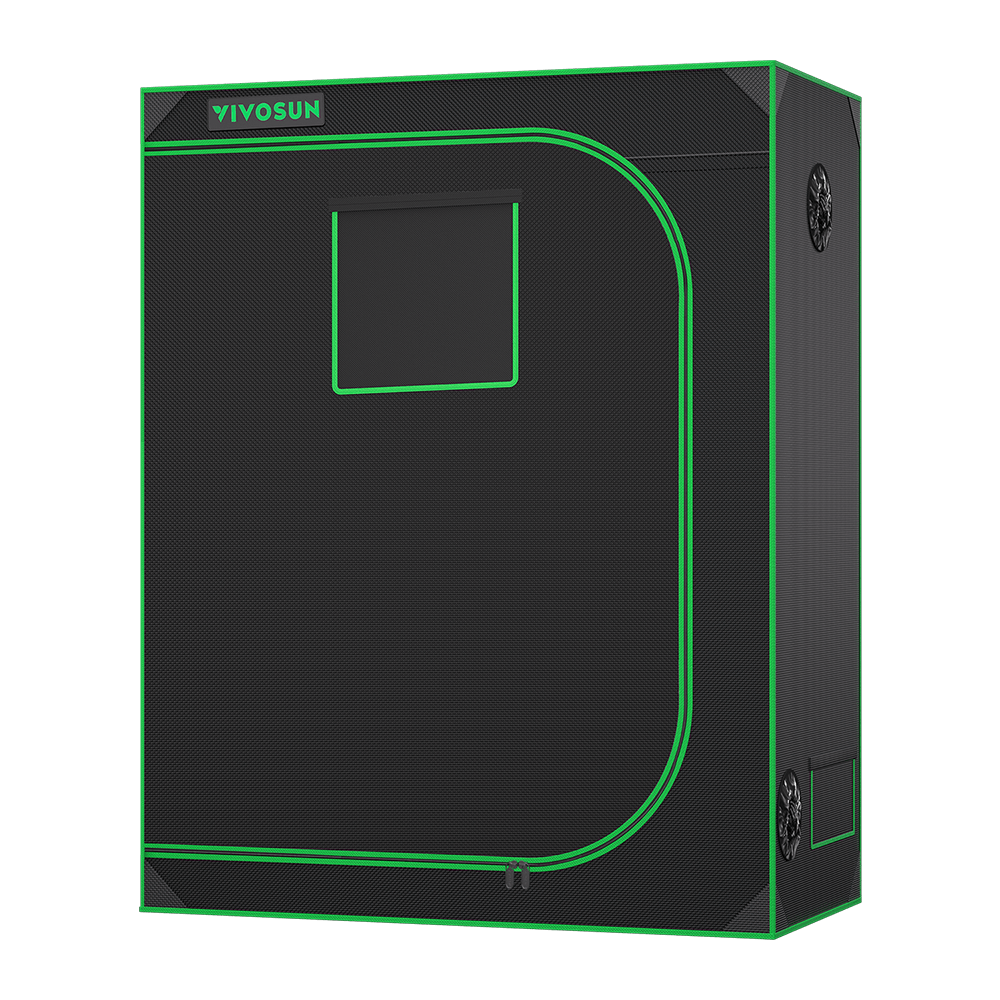
VIVOSUN 4x2 Grow Tent(opens in a new tab)
- Best for
- Best balance of build quality and price at 4x2 ft, per independent testing
- Specs
- 22mm poles, 0.55mm material with reinforced corners
- Approx. price
- ~$129

AC Infinity CLOUDLAB 642(opens in a new tab)
- Best for
- Growers who want a heavier-duty 4x2 ft tent from a ventilation-focused brand
- Specs
- 22.5mm poles, 0.5mm material, 2000D diamond mylar canvas
- Approx. price
- ~$159
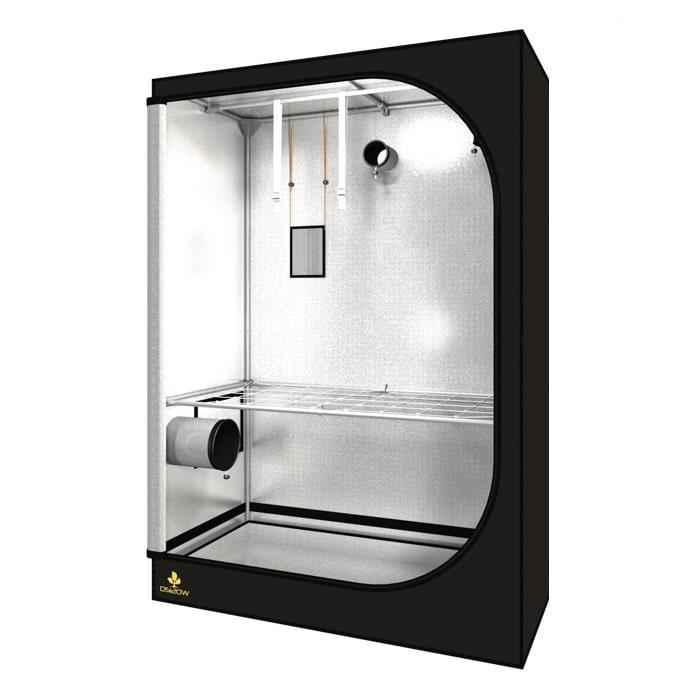
Secret Jardin Dark Street DS120W(opens in a new tab)
- Best for
- Minimal-port setups, 4x2 ft footprint
- Specs
- 16mm poles, 0.25mm material, fewer ports than most competitors
- Approx. price
- ~$149

Gorilla Grow Tent 2x4(opens in a new tab)
- Best for
- Growers who want a taller, height-adjustable tent built for heavier lights
- Specs
- 24.5mm poles, height-adjustable up to 6'11", among the thickest fabric in the category
- Approx. price
- ~$286